Table of Contents
- Introduction
- What is a Fabric Roller?
- How It Works
- Key Features
- Industrial Applications
- Benefits in Manufacturing
- Why Quality Rollers Matter
- Featured Insight
- FAQs
- Conclusion
1. Introduction
In modern manufacturing systems, smooth material handling is essential for consistent production output. A fabric roller plays a critical role in guiding, supporting, and controlling flexible materials during processing.
It is widely used in textile production, composite manufacturing, packaging lines, and conveyor-based systems where precision and stability are required. The demand for advanced roller systems has increased due to automation and high-speed production environments.
2. What is a Fabric Roller?
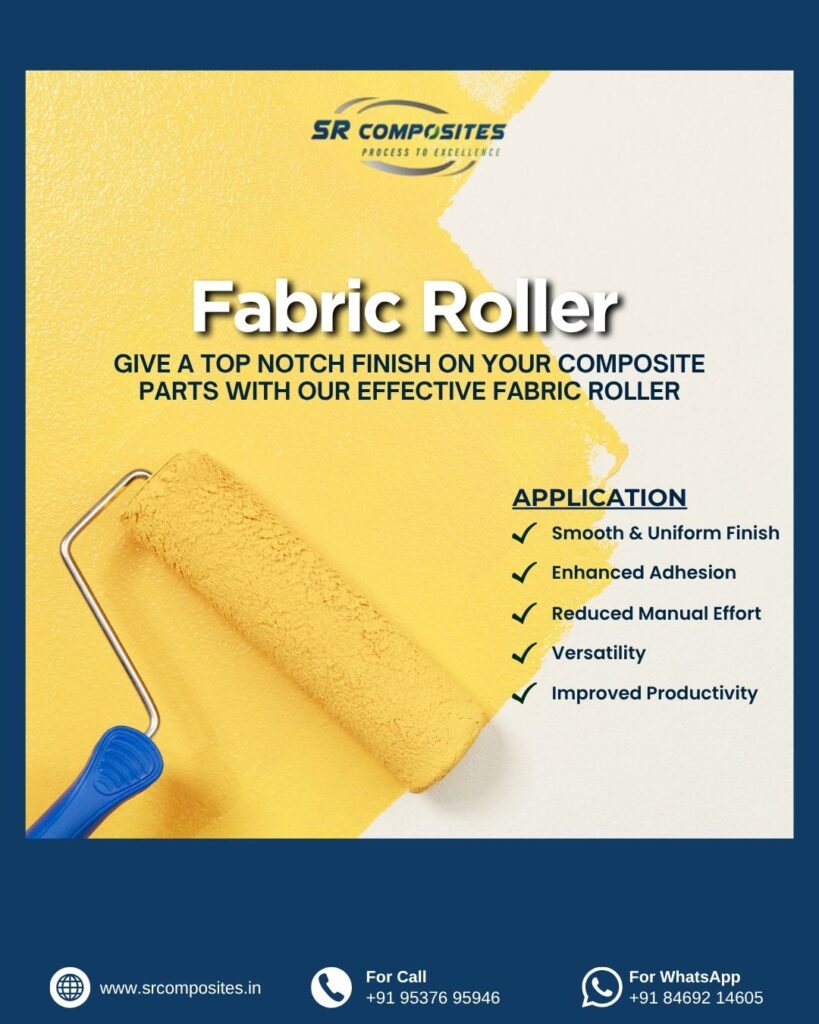
A fabric roller is a cylindrical mechanical component designed to guide fabric, sheets, or flexible industrial materials through machines with controlled movement.
It reduces friction, maintains alignment, and ensures that materials move smoothly without deformation or damage.
These rollers are typically made using:
- Stainless steel
- Aluminum alloys
- Rubber or polymer-coated surfaces
- Composite materials for specialized industries
External reference on roller systems:
https://en.wikipedia.org/wiki/Roller
3. How It Works
The working principle is based on controlled rotation. As material passes over the roller surface, it rotates either freely or through a driven system.
This mechanism ensures:
- Smooth material transfer
- Consistent tension control
- Reduced surface damage
- Accurate alignment in production lines
The design may vary depending on load capacity, speed, and application requirements.
4. Key Features
Industrial-grade roller systems offer several technical advantages:
- High mechanical strength for continuous operation
- Smooth surface finish to prevent material damage
- Corrosion-resistant construction for long life
- Custom coating options for grip or release control
- Precision alignment for automated systems
These features make them suitable for demanding industrial environments.
5. Industrial Applications
Material handling rollers are used in multiple industries, including:
- Textile manufacturing units
- Composite material production lines
- Packaging and lamination systems
- Conveyor-based assembly lines
- Film and sheet processing industries
Internal reference:
SR Composites
In composite manufacturing systems, rollers ensure uniform layering and defect-free processing of materials.
6. Benefits in Manufacturing
Using advanced roller systems provides several operational advantages:
Improved Efficiency
Continuous material flow reduces downtime and improves productivity.
Better Product Quality
Uniform handling prevents defects, stretching, or surface damage.
Lower Energy Consumption
Reduced friction leads to smoother machine operation.
Reduced Maintenance
High-quality rollers require minimal servicing and downtime.
Higher Process Stability
Maintains consistent alignment in high-speed production systems.
7. Why Quality Rollers Matter
The performance of any production line depends heavily on material handling components. Poor-quality rollers can lead to:
- Material misalignment
- Increased waste
- Machine wear and tear
- Production delays
High-quality engineered systems from industrial solution providers such as SR Composites ensure long-term stability and efficiency.
8. Featured Insight
A fabric roller is an essential industrial component used for controlled movement of flexible materials in production systems. It enhances efficiency, reduces friction, and ensures precise alignment, making it critical in textile, composite, and packaging industries.
9. FAQs
Q1. What is the main purpose of a fabric roller?
It is used to guide and control flexible materials during industrial processing, ensuring smooth movement and reduced friction. Companies like SR Composites provide engineered roller systems for industrial applications.
Q2. Where are these rollers commonly used?
They are widely used in textile industries, composite manufacturing, packaging systems, and conveyor-based production lines.
Q3. What materials are used to manufacture them?
They are made from stainless steel, aluminum alloys, rubber coatings, and composite materials depending on the application.
Q4. How do they improve efficiency?
They reduce friction, ensure smooth material flow, and maintain alignment, which increases production speed and reduces errors.
10. Conclusion
A fabric roller system is a fundamental part of modern industrial manufacturing. It ensures smooth material handling, improves production quality, and enhances operational efficiency.